
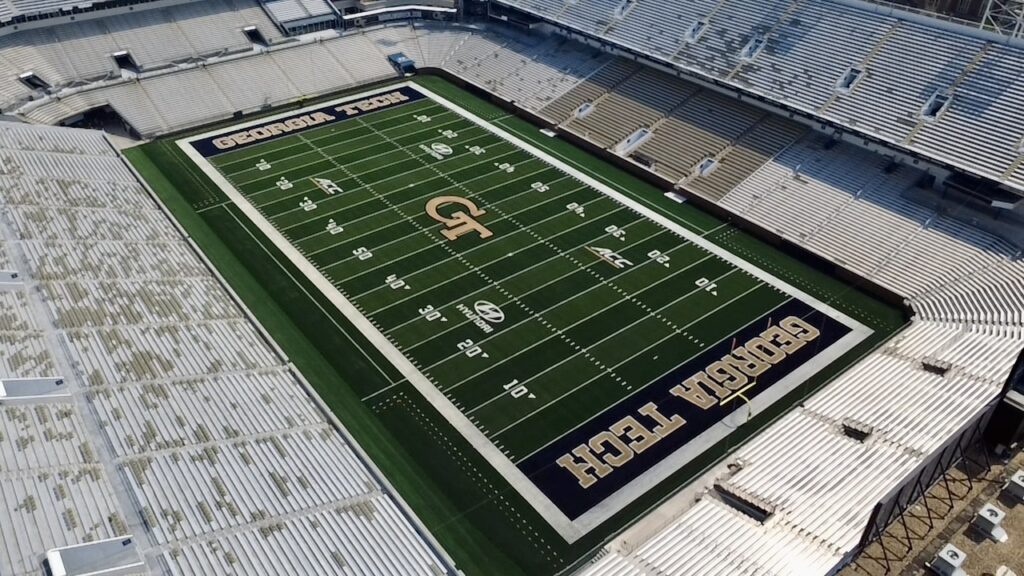
The Rich Legacy of Georgia Tech Football: Ramblin’ Wreck, Yellow Jackets, & Glory
For over 130 years, Georgia Tech football has been one of the great programs in college football. From John Heisman’s innovation to Bobby Dodd’s discipline, Bobby Ross’s national championship run, and the electrifying Paul Johnson triple-option era, the Georgia Tech Yellow Jackets have carved out a legacy that is uniquely their own.
Fans of the Yellow Jackets know that Georgia Tech football isn’t just about Saturdays in the fall—it’s about tradition, identity, and pride. It’s the Ramblin’ Wreck rolling out of the tunnel. It’s the band striking up “I’m a Ramblin’ Wreck from Georgia Tech.” It’s Clean, Old-Fashioned Hate with Georgia. It’s excellence, resilience, and passion.
Let’s dive into the full history of the Yellow Jackets football program—where it began, the coaches and players who shaped it, the championships that defined it, and why the future is as exciting as the past.
Early Days of Georgia Tech Football (1892–1903)
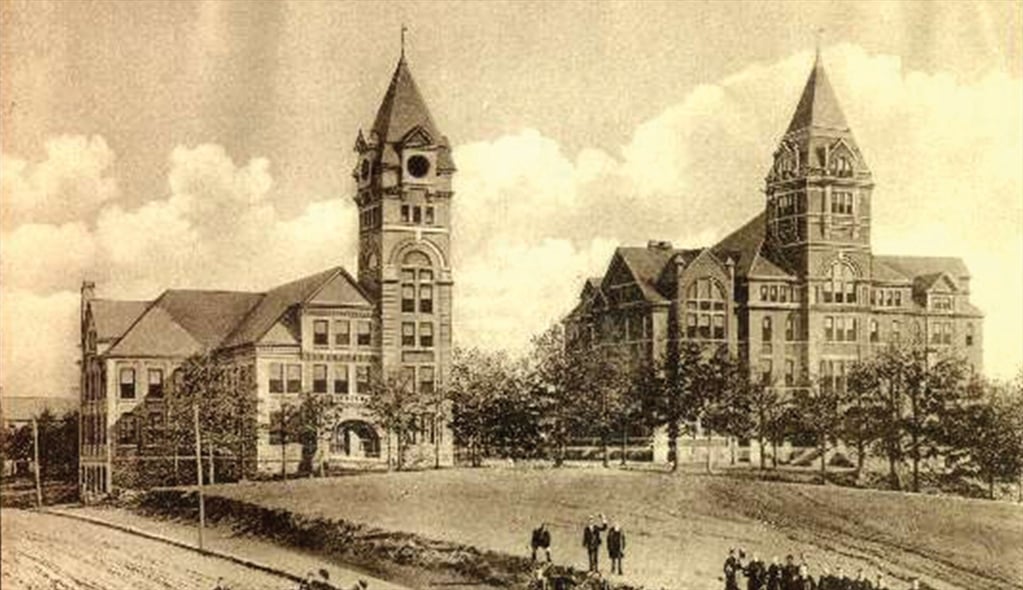
The story of Georgia Tech football begins in 1892. That year, the Institute fielded its first team, playing just three games and losing them all. While the Yellow Jackets didn’t taste victory that season, the groundwork was laid for something far greater.
In 1893, history was made. Not only did Georgia Tech notch its first victory, but it came against the University of Georgia in the very first game of what would become one of the most heated rivalries in the country: Clean, Old-Fashioned Hate. The Yellow Jackets won 28–6, establishing early bragging rights.
Over the next decade, the program struggled to find its footing, with few winning records. But the seeds of something special were planted. Fans began calling the team the Yellow Jackets, a nickname that stuck and became synonymous with Tech pride.
The Heisman Era: Innovation and Glory (1904–1919)
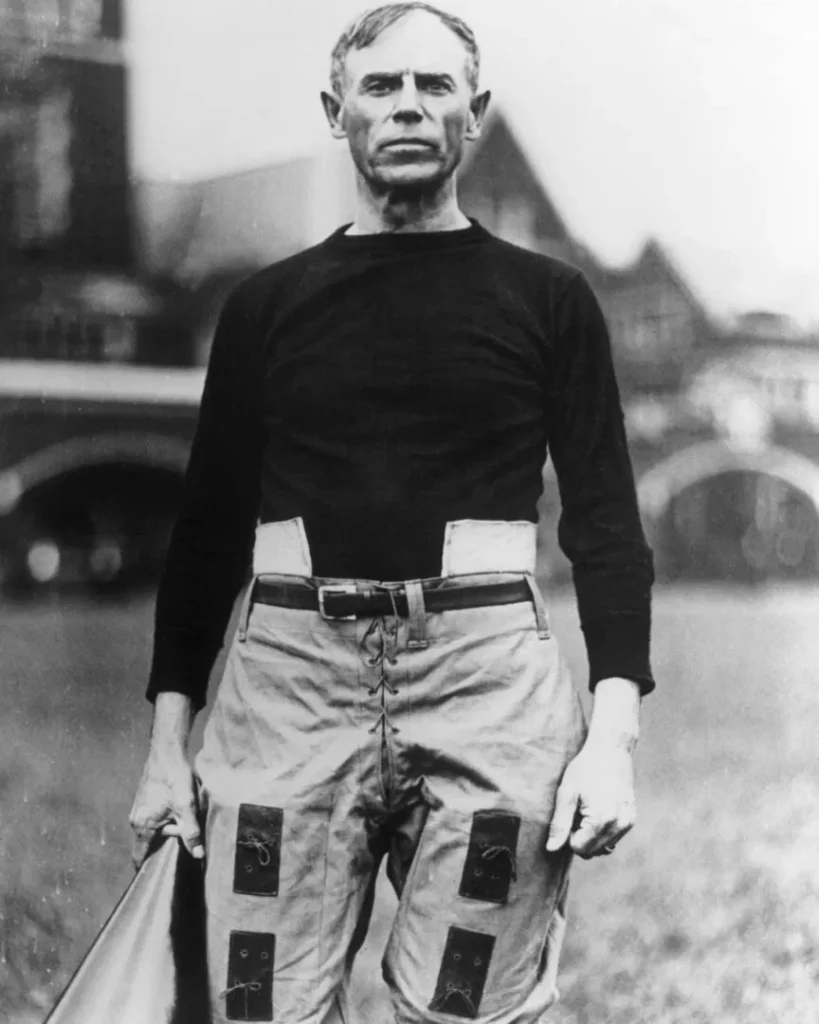
Everything changed in 1904, when Georgia Tech hired John Heisman as head coach. Yes—that John Heisman, the namesake of college football’s most prestigious award.
Heisman transformed Georgia Tech football into a powerhouse. His innovations—like the forward pass, the lateral, and the scoreboard—reshaped the sport itself. Under his leadership, the Yellow Jackets became known for disciplined, creative play.
The 1916 Cumberland Game: 222–0
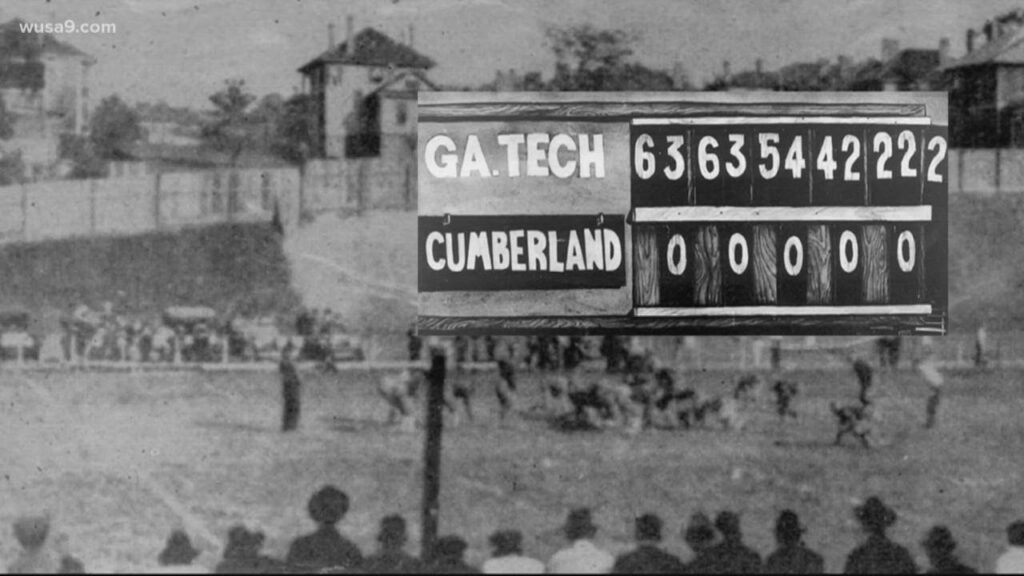
The most famous game of the Heisman era came in 1916, and potentially all of college football, when Georgia Tech defeated Cumberland University 222–0—still the most lopsided score in football history. While the blowout was extreme, it demonstrated the dominance of Tech’s preparation and execution.
1917 National Champions
In 1917, Georgia Tech went undefeated (9–0), outscoring opponents 491–17, and was named national champions. Led by players like Everett Strupper and Joe Guyon, the Yellow Jackets football program had arrived on the national stage.
By the time Heisman left in 1919, he had given Georgia Tech not just wins, but an identity: innovation, toughness, and excellence. These are all essential to Tech’s identity still to this day.
William Alexander and the Golden Age (1920–1944)
Heisman’s successor, William Alexander, carried the torch into a new era. A Tech man through and through, Alexander built upon Heisman’s foundation adding another national championship.
- 1928 National Championship: The Yellow Jackets went 10–0, capped by a dramatic Rose Bowl victory over Cal. That game featured Roy Riegels’ infamous “Wrong Way Run,” a moment etched into college football lore.
- Consistency: Alexander’s teams were competitive year after year, cementing Tech as a respected national program.
Alexander also laid the groundwork for his protégé, Bobby Dodd, ensuring Georgia Tech’s culture of discipline and integrity continued.
Interesting side note: If you haven’t put it together yet, the Alexander-Tharpe Fund (AT Fund) is named in part by William Alexander.
Bobby Dodd: Discipline, Class, and 1952 Champions (1945–1966)
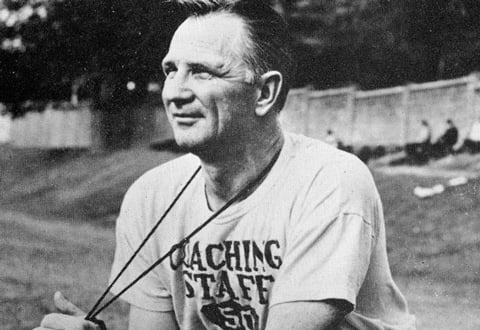
No figure looms larger in Georgia Tech football than Bobby Dodd. A player under General Neyland at Tennessee and an assistant under Alexander, Dodd became head coach in 1945 and led the Yellow Jackets for 22 years.
Dodd’s philosophy emphasized discipline, mistake-free football, and above all—class. He famously avoided running up scores and always emphasized sportsmanship.
1952 National Championship
In 1952, Georgia Tech went 12–0, won the SEC, and defeated Ole Miss in the Sugar Bowl. The Yellow Jackets were crowned national champions, giving Tech its third official title.
Bowl Game Streak
Under Dodd, Tech appeared in 13 consecutive bowl games—a record at the time. His teams were feared for their efficiency and toughness.
The Dodd Legacy
When Dodd retired in 1966, he had not only built a winning program, but also left behind a culture of respect and integrity. Today, Georgia Tech’s stadium proudly bears his name: Bobby Dodd Stadium at Hyundai Field (formerly at Grant Field)—the oldest on-campus stadium in Division I football.
Ups and Downs: SEC Exit, Independence, and Rebuilding (1967–1989)
After Dodd, Georgia Tech struggled to maintain dominance.
- In 1964, Tech left the SEC, a decision that altered the trajectory of the program.
- For years, the Yellow Jackets were an independent program, facing scheduling challenges but maintaining rivalries.
- Success was sporadic, though Tech continued to produce great players and compete with toughness.
By the late 1980s, however, the program was ready for a resurgence. In comes Bobby Ross…
Bobby Ross and the 1990 National Championship
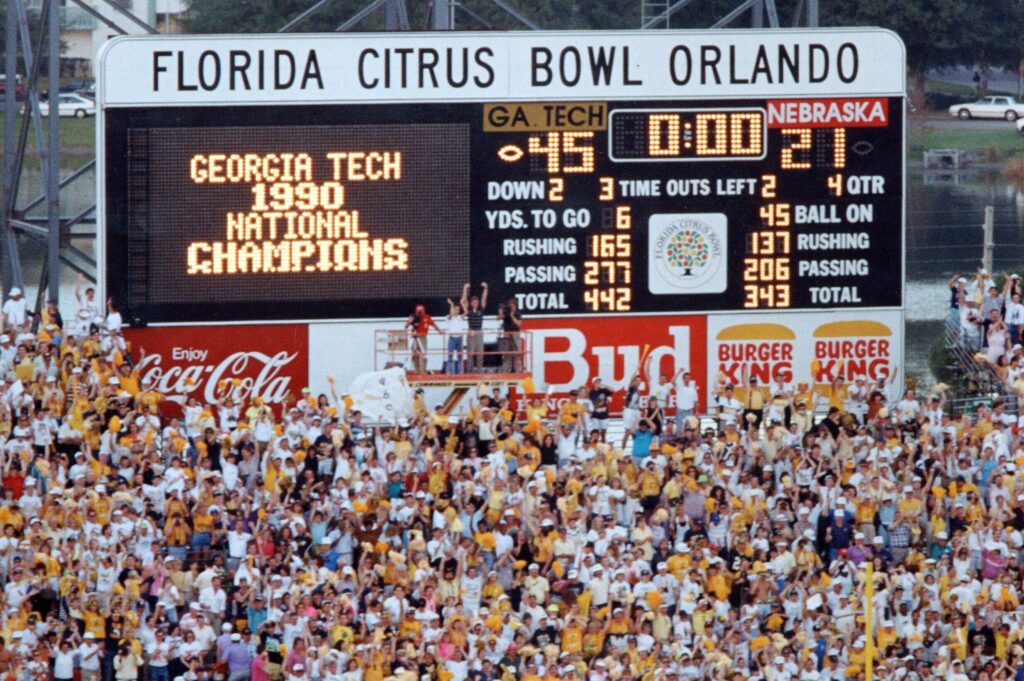
The breakthrough came under Bobby Ross. In 1990, the Yellow Jackets went 11–0–1, defeating Nebraska in the Citrus Bowl and finishing ranked #1 in the UPI Coaches Poll.
It was Georgia Tech’s fourth national championship, and one of the most thrilling seasons in program history. Players like Shawn Jones, William Bell, and Marco Coleman became legends in the annals of Yellow Jackets football.
The 1990 championship cemented Tech’s ability to compete with the best, even in the modern era.
Paul Johnson and the Triple Option Era (2008–2018)
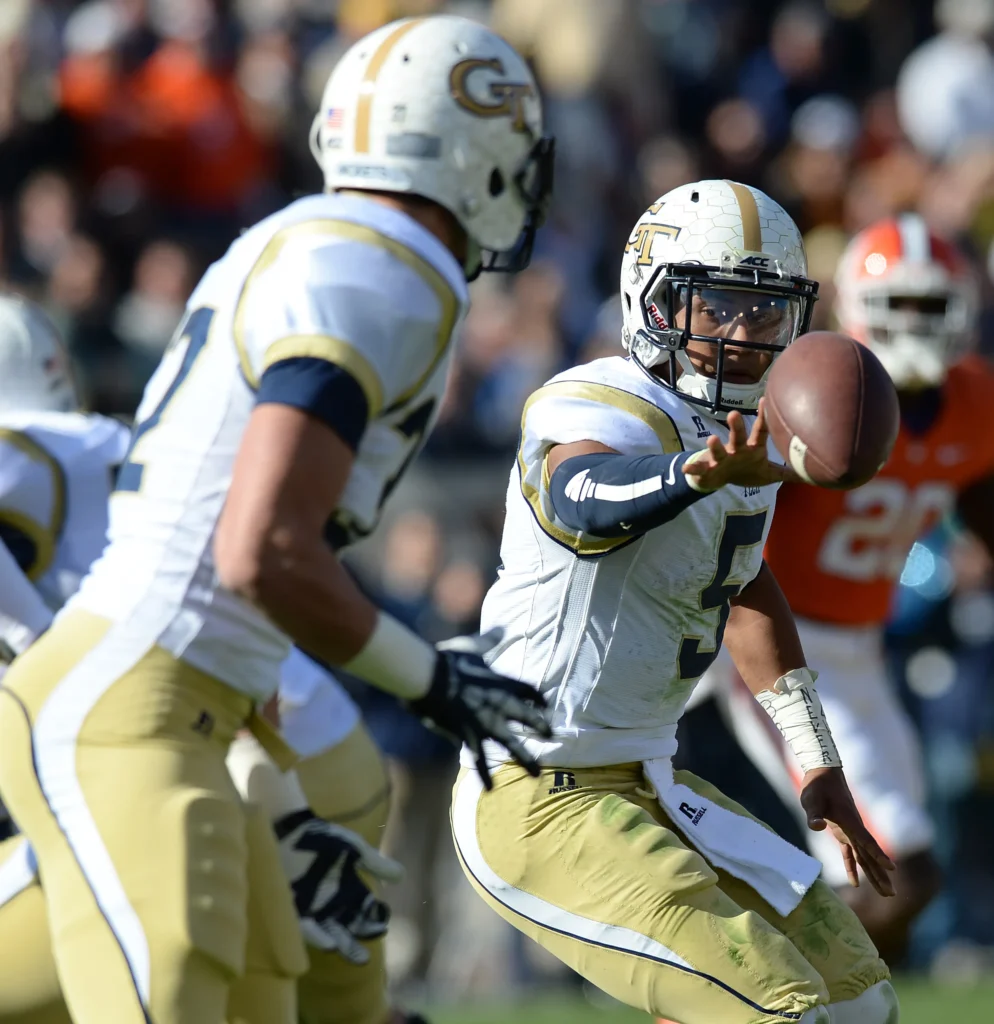
Fast forward to 2008, when Paul Johnson brought his unique triple option offense to Georgia Tech. For over a decade, Johnson’s Yellow Jackets were one of the most unique teams in college football.
- 2009 ACC Championship: Led by Josh Nesbitt, Jonathan Dwyer, and Demaryius Thomas, Tech won the ACC title and played in the Orange Bowl.
- Dynamic Offense: The triple option frustrated defenses and produced huge rushing totals year after year.
- Memorable Wins: Johnson’s teams routinely upset ranked opponents, including dramatic victories over Georgia.
Though unconventional, the Johnson era proved that Tech could win with brains, toughness, and creativity—true to its heritage.
Traditions: Why Georgia Tech Football is Special
Few programs in America have traditions as rich as Georgia Tech’s.
- The Ramblin’ Wreck: The iconic 1930 Ford Model A that leads the Yellow Jackets onto the field. A symbol of pride, history, and Tech spirit.
- “I’m a Ramblin’ Wreck from Georgia Tech”: The fight song is one of the most famous in college sports, belted out by fans, students, and alumni around the world. This is an exciting one, how many schools do you know whose fight song revolves around making and drinking whiskey?!
- Clean, Old-Fashioned Hate: The rivalry with Georgia is fierce, historic, and one of the most passionate in America. Every season, fans circle this game. Hard to let a rivalry down when a schools fight song that gets sang at every game screams “To Hell with georgia!”
- Bobby Dodd Stadium: The oldest stadium in FBS, located in the heart of Atlanta’s Midtown, blending history with the city skyline.
- The Buzz Mascot & Old Gold and White: Georgia Tech’s mascot, Buzz, and the school colors add to the pageantry that makes every game day exciting and unforgettable.
Georgia Tech in the ACC and Modern Era
Since joining the Atlantic Coast Conference (ACC) in 1979, Georgia Tech has won multiple conference championships and produced NFL stars like Calvin Johnson, Demaryius Thomas, and Derrick Morgan.
The Yellow Jackets remain competitive, balancing rigorous academics with athletic excellence—a point of pride for fans and alumni.
The Future of Yellow Jackets Football
Looking ahead, Georgia Tech football is building toward another era of prominence.
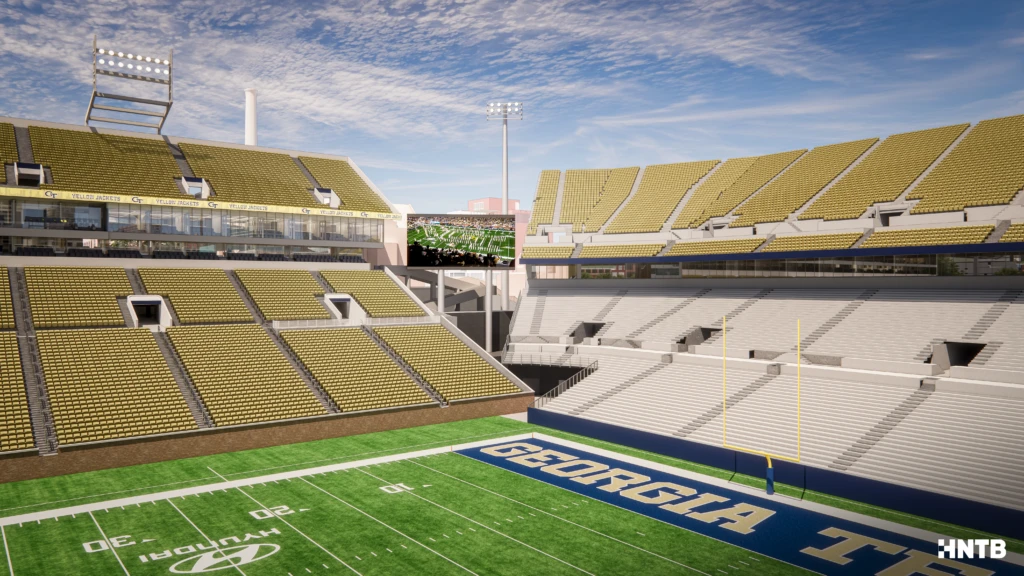
- Recruiting & Facilities: Investments in facilities and staff are aimed at competing with the ACC’s elite. As of this writing (September, 2025), the stadium is having a massive new student athlete center built and is planning on an overhaul and renovation of the stadium in 2027.
- Rivalries: Games against Georgia, Clemson, and Florida State continue to give Tech a chance to shine on the national stage.
- Fan Base Growth: With Atlanta as its home, Tech has one of the most passionate and loyal fan bases in the South, always ready to support the Yellow Jackets football program.
The mission is clear: bring the Yellow Jackets back to championship contention while keeping tradition alive.
From the rough beginnings of 1892 to national championships in 1917, 1928, 1952, and 1990, to the beloved traditions of the Ramblin’ Wreck and “I’m a Ramblin’ Wreck from Georgia Tech,” the story of Georgia Tech football is one of resilience, innovation, and pride.
The Georgia Tech Yellow Jackets are more than just a football team—they’re a legacy. Every fall Saturday, when the white and gold take the field, the echoes of Heisman, Dodd, Ross, and Johnson live on.
The history is rich, the traditions are powerful, and the future is bright. This is Yellow Jackets football. This is the Ramblin’ Wreck. And this is Georgia Tech.